
In April 2024 we released our market report on the private dental market.
80% of UK dental providers now offer private treatment, a finding from the Rare. dental market report published in April 2024. To understand the operational reality behind that number, we sat down with Derek Uittenbroek, founder and CEO of healthcare marketing agency Ignite Growth and treatment financing platform SmileSave. Ignite Growth specialises in helping dental, medical and aesthetic clinics attract high-value patients.
On the 80% private provision figure
Ben Pask: 80% of all providers now offer private treatment. What are the implications for both consumers and dental providers?
Derek Uittenbroek: There have been several drivers. The biggest is access to NHS dental care, or the lack of it. The NHS contract is massively underfunded and outdated, and that makes it commercially difficult for practices to service NHS patients profitably. Practices end up providing NHS care at a loss. To survive, many practices are increasingly offering private care or handing back their NHS contracts altogether. Recruitment of dentists for NHS-side work is also challenging because of these commercial constraints.
For consumers, the shift means more choice and potentially better access if they are willing to pay. That represents a significant mindset shift in the UK, where NHS healthcare is highly valued and expected to be free at the point of use. For providers, the shift to private dentistry creates more rewarding work, better patient care, and the opportunity to make a real impact on patients' lives.
On what informs patient choice
Ben Pask: From your experience with providers, what informs patients' decisions when choosing between clinics?
Derek Uittenbroek: It depends on the type of care they are seeking. For general dental care, many patients initially try to find NHS care. With NHS practices often full or not taking on new patients, they are forced to seek private care or go without. For elective and cosmetic treatments like teeth whitening, which are always private, patients expect to pay and the decision-making process is different. They do more research, and they understand they are paying for premium services.
On smaller clinics competing with larger groups
Ben Pask: How do smaller dental clinics compete with larger, consolidated providers?
Derek Uittenbroek: Smaller clinics need to leverage their local presence and community connections. Each clinic has a unique story and is part of a community, and that is a significant advantage over larger, less personal corporate providers. Building a strong local brand, engaging in community activities, and having a robust digital presence are crucial. Smaller practices can move faster and offer personalised services that larger corporations cannot match. They should focus on becoming the top choice in their area and differentiating themselves through superior patient experience and unique local branding.
On dental practices offering Botox
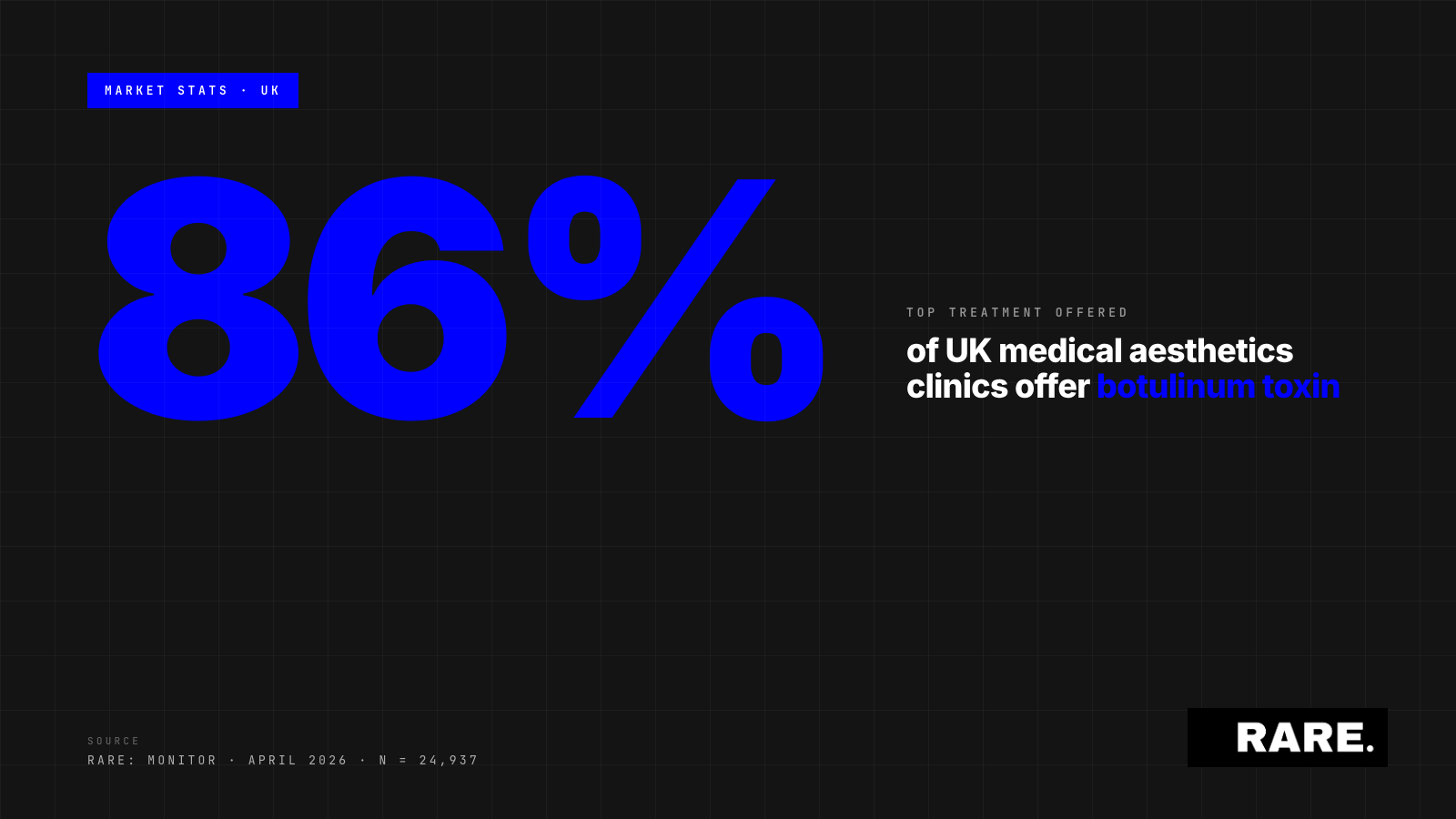
Ben Pask: With 50% of private dental practices now offering Botox, what does that indicate about the future of the dental market?
Derek Uittenbroek: Offering Botox and other aesthetic treatments is a logical expansion for dental practices. Dentists have a thorough understanding of facial anatomy and are already skilled in injecting anaesthetics, which makes them well-suited for facial aesthetics. The trend reflects a broader shift towards holistic patient care. The expansion also helps mitigate the financial pressures on traditional dental treatments. We are likely to see more dental practices offering a wider range of aesthetic services. There is still a gap in consumer perception: some patients view aesthetic treatments in dental clinics as unusual. That perception will fade as the lines between dental and aesthetic clinics continue to blur.
On other healthcare services
Ben Pask: Are there any other healthcare services dental practices are starting to offer?
Derek Uittenbroek: Yes. Some dental practices are branching into travel vaccines, weight management, and even ophthalmology. The diversification makes sense because the clinical environment and regulatory compliance are already in place. The additional services tend to offer higher margins and lower clinical risk than traditional dental treatments. The dental market is becoming more holistic, focused on comprehensive patient care beyond oral health.
What it means for the market
The interview captures the structural shift in UK dentistry: a move from NHS-dominated provision to predominantly private, with practices broadening their treatment repertoire into adjacent commercial categories to support the economics. Both consumers and providers are navigating that transition with more choice and more cost. Thanks to Derek for taking part. More on the work the Ignite Growth team are doing is on their website.